

Massive Summer Offer: Limited-Time Discount - Flat upto 20% offer on all plans


India’s startup scene is booming, making it one of the best times to launch your entrepreneurial dream. With over 1.59 lakh DPIIT-recognized startups as of 2025, India ranks third globally in the startup landscape. If you’re wondering how to start a startup in India that’s not only profitable but sustainable, this guide is your complete roadmap.
Before you invest time and money, validate your idea to ensure it meets a real need. A well-validated idea lays a strong foundation and increases your chances of success.
Identify a Problem: Pinpoint a real-world issue that your solution addresses.
Conduct Market Research: Study competitors, trends, and target demographics.
Collect Feedback: Talk to potential customers, conduct surveys, and refine your idea.
Evaluate Demand: Ensure the market is ready and willing to pay for your solution.
Fact: 35% of startups fail due to a lack of market need.
Picking the right business structure impacts taxation, compliance, and fundraising. Each structure has unique pros and cons.
Sole Proprietorship: Easy setup, but unlimited liability.
Partnership Firm: Shared responsibilities, suitable for small businesses.
Limited Liability Partnership (LLP): Limited liability with minimal compliance.
Private Limited Company: Ideal for scalability and external funding.
Tip: Choose a structure that aligns with your long-term goals and funding plans.
Legal registration legitimizes your startup and is mandatory for many government schemes.
Get a DSC: Required for online filings.
Apply for DIN: Essential for company directors.
Reserve Company Name: Use the MCA portal.
Incorporate the Company: File the SPICe+ form.
Apply for PAN & TAN: Necessary for taxes.
Open a Business Bank Account: For financial operations.
Register for GST: If applicable.
Cost: Registration may range from ₹6,000 to ₹30,000 depending on the state and services used.
Take full advantage of India’s pro-startup policies. These programs offer financial aid, mentorship, and tax benefits.
Startup India Initiative: Tax holidays, funding access, self-certification benefits.
Stand-Up India Scheme: Loans for SC/ST and women entrepreneurs.
Atal Innovation Mission: Funding and mentoring for early-stage startups.
Benefit: These schemes can reduce initial financial and regulatory burdens.
Funding fuels growth, but the right funding source depends on your stage and business model.
Bootstrapping: Use your savings or reinvest profits.
Angel Investors: Ideal for early-stage investments.
Venture Capital: For scalable models with high ROI.
Government Grants: Apply for Startup India Seed Fund, SIDBI, etc.
Stat: India’s startup funding saw a 76% CAGR in bridge funding in 2024.
Start lean and launch fast. An MVP helps you validate your product in the market with minimal resources.
Prioritize Core Features: Avoid building too much too soon.
Test with Users: Gather real-time feedback from your early users.
Iterate Quickly: Improve based on feedback loops.
Launch Softly: Begin with a beta version or select users.
Purpose: Focused development saves time, cost, and helps in early validation.
Your team is your startup’s backbone. Skilled, passionate individuals will help turn your vision into reality.
Hire Strategically: Look for complementary skills.
Build a Culture: Foster transparency, creativity, and collaboration.
Invest in Growth: Train your team regularly.
Retain Talent: Offer equity or growth-based incentives.
Insight: A startup is only as strong as its founding and early team.
A professional space adds credibility and fosters productivity. It also helps with registration and client trust.
Choose a Strategic Office Location: Near your target customers or talent pool.
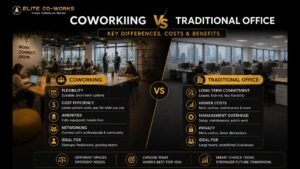
Opt for Coworking Spaces: Cost-effective, flexible, and network-rich.
Ensure Accessibility: Make it easy for your team and clients to reach.
Tip: Consider setting up a professional Office Address or coworking space in a business hub. Having an established Office Location improves your startup’s trust factor and networking potential.
Marketing isn’t optional—it’s essential. Your startup’s story must resonate emotionally and practically.
Invest in Digital Marketing: SEO, social media, and paid ads.
Leverage Content: Blog posts, videos, and case studies build authority.
Public Relations: Connect with local media and journalists.
Engage with Users: Encourage feedback and online reviews.
Optimization: Use keyword-rich content and emotional hooks to build customer trust and brand loyalty.
After launch, continuously track performance, customer feedback, and growth metrics to improve and scale efficiently.
Track KPIs: Customer acquisition cost, churn, lifetime value, etc.
Use Analytics Tools: Google Analytics, Mixpanel, etc.
Improve Continuously: Iterate based on data, not assumptions.
Plan for Scale: Cloud infrastructure, automated systems, hiring pipeline.
Goal: Sustainable growth comes from strategic scaling, not just fast scaling.
Starting a startup in India in 2025 is filled with opportunities—but only for those who prepare. Whether you’re solving a social issue, innovating in tech, or creating lifestyle brands, the path is open. Focus on your vision, validate every step, and stay emotionally connected to your purpose and audience.
With the right planning, guidance, and mindset, your startup can not only survive—but thrive.
Want to establish your startup in a premium workspace? Find the ideal Office Address for your startup to grow and connect with like-minded innovators.
Workspace starts @ INR 5000*/month
Modern, Affordable & Flexible Workspace Solutions For Your Business
Workspace starts @ INR 5000*/month